Category: MUSIC FOR FILM

  • A REAL PAIN / JESSE EISENBERG

    A REAL PAIN / JESSE EISENBERG

    The dialogue of heritage: a cinematic study.

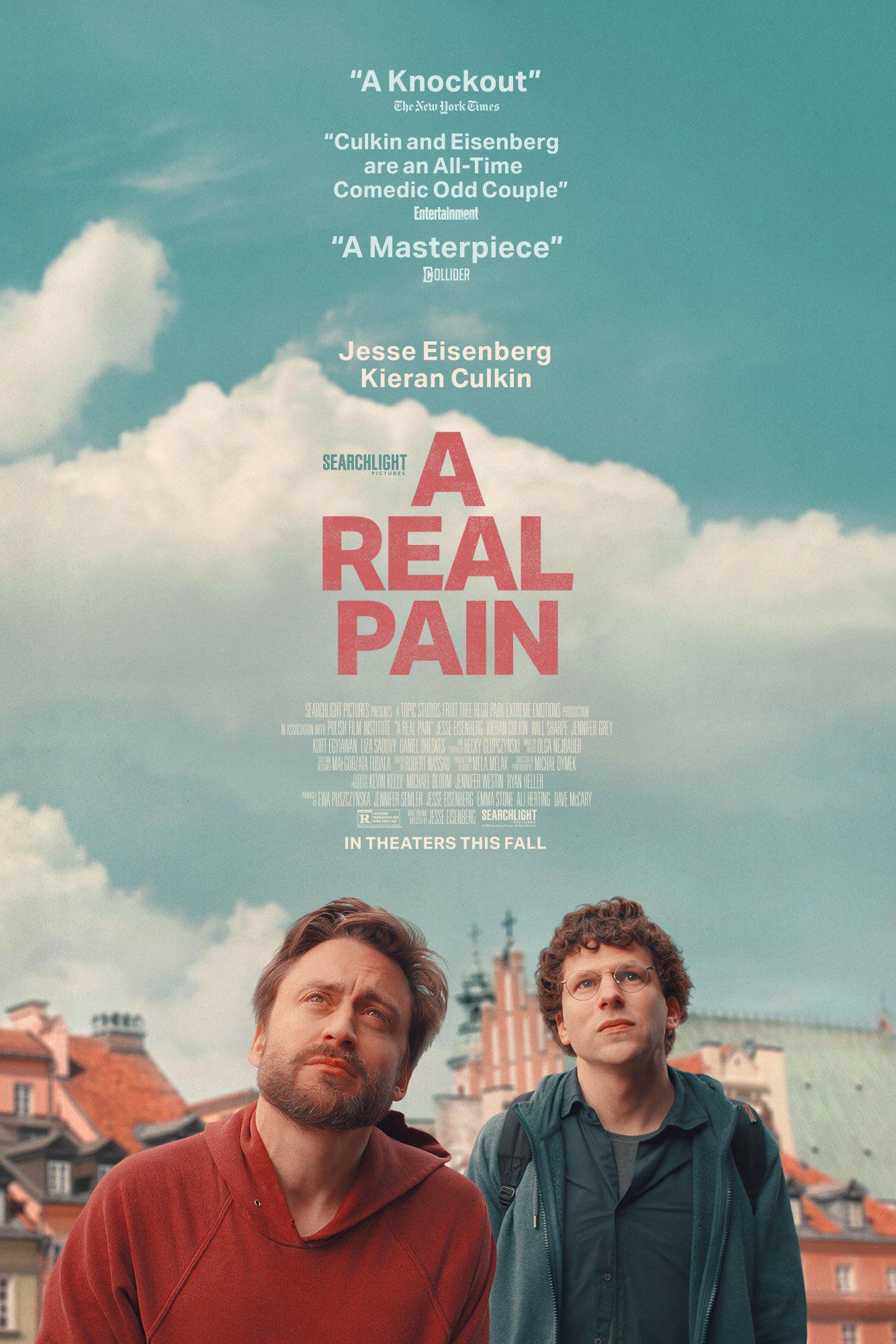
    High-stakes filmmaking is an iterative journey toward a singular truth. For the feature film A Real Pain—directed by Jesse Eisenberg and produced by a team of industry veterans.

    Our mission was to translate the complex emotional landscape of two cousins retracing their roots in Poland into a sensible auditory reality.

    Auditory visualisation

    Scoring for an A-list production requires more than music; it requires a deep understanding of narrative tension. Our process involved a constant dialogue with the director’s vision, mapping out the sonic DNA of a story that balanced biting humor with profound ancestral grief.

    To ground the film’s complex themes, we favored of a folk-inspired palette. The centrepiece of this arrangement was the accordion for its unique status as an instrument of the people. The accordion serves as a direct link to folk tradition, possessing a raw, breathing quality that speaks to the human heart and collective memory.

    We developed a bespoke score designed to bridge the gap between the character’s American sensibilities and the heavy, historical atmosphere of the Polish landscape. This exploration was a study in perception and equity, ensuring every note possessed the gravity required for a global Searchlight Pictures release.

    The evolution of a masterpiece

    In the final stages of the film’s evolution, the decision was made to lean into the classical heritage of the setting, utilising the piano works of Frédéric Chopin for the final cut.

    While our original score was not used in the final master, the work stands as a testament of our craft, a record of a rigorous creative partnership for a film that remains one of the most literate and acclaimed scripts of the decade.


    Credits

    Production : Fruit tree 
    Director : Jesse Eisenberg
    Main actors : Kian Culkin, Will Sharpe, Jennifer Grey, Jesse Eisenberg
  • DIMMALIMM / MIKAEL TORFASON

    DIMMALIMM / MIKAEL TORFASON

    The acoustic of isolation: modernising Medea.

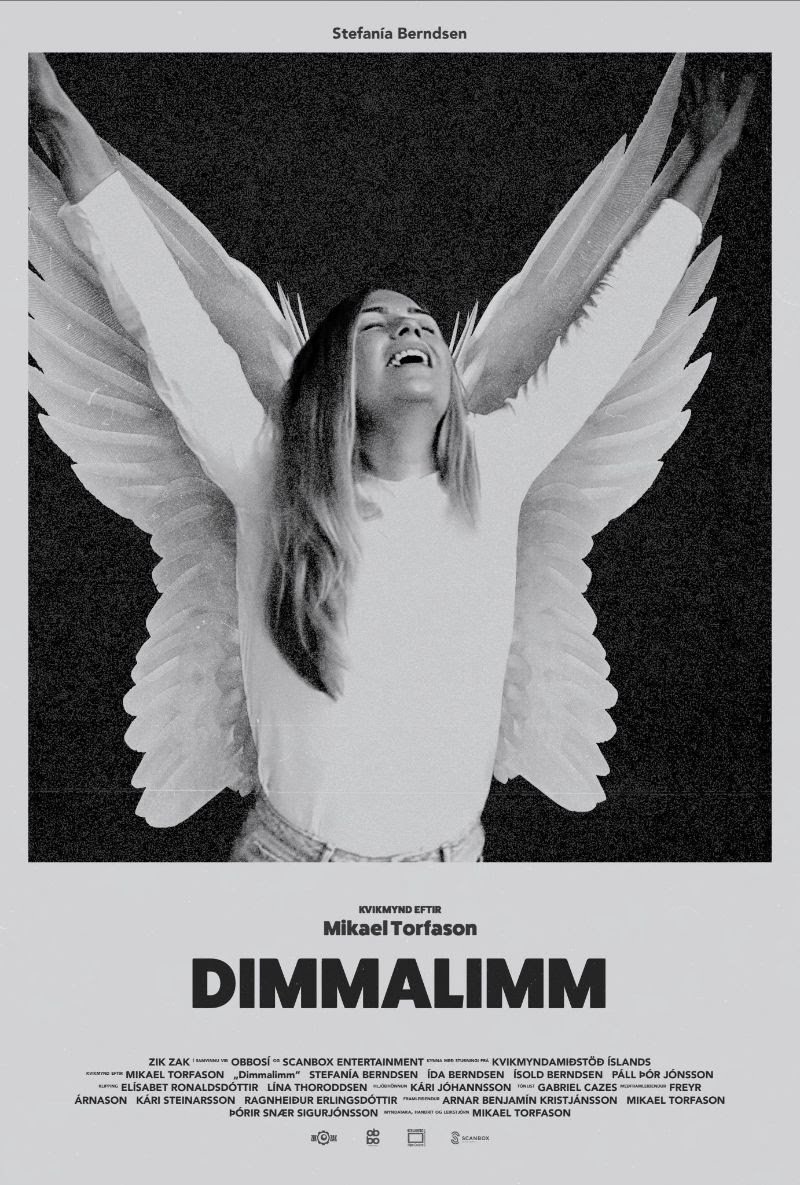
    Ancient tragedy possesses a specific gravity. When Mikael Torfason reimagined Euripides’ Medea for the 21st century in Dimmalimm, the narrative requirement was a sensory translation of a mind unraveling.

    At PASSAGE, our mission was to build the auditory walls of a Vienna apartment—creating a soundscape that serves as both a prison and a sanctuary for a woman struggling with foreign city insanity.

    The sonic archetype

    To honor the film’s roots in the tragedy of 431 BC, we didn’t look for melody; we looked for archetypal signal. We treated the character’s mental state as a physical space. By blending the organic coldness of her Icelandic heritage with the sharp, industrial echoes of an alien city, we created a high-contrast auditory reality that mirrors her loss of self.

    This is the Passage between the abstract joy of the past and the sensible, brutal reality of the present. Every creak of the floorboard and hum of the city was curated to reinforce the character’s internal friction.

    Architecture of insanity

    The score for Dimmalimm is a study in narrative tension. We used a stretched auditory aesthetic—long, dissonant textures that evoke the feeling of being closed in. This structural rhyth accompany the image and dictates the viewer’s pulse.

    By prioritising the unseen metric of psychological discomfort, PASSAGE Music Director Gabriel Cazes delivered a score that acts as a physical guide through the protagonist’s descent. It is a cinematic experience designed for the most literate of audiences, proving that sound can be as sharp and unforgiving as the most tragic of scripts.


    Credits

    Production: Zik Zak Filmworks
    Director: Mikael Torfason 
    Actress : Stefania Bernsen

  • LE VENT DE LA RÉVOLTE / KEN LOACH

    LE VENT DE LA RÉVOLTE / KEN LOACH

    The resonance of resistance: scoring the dissent.

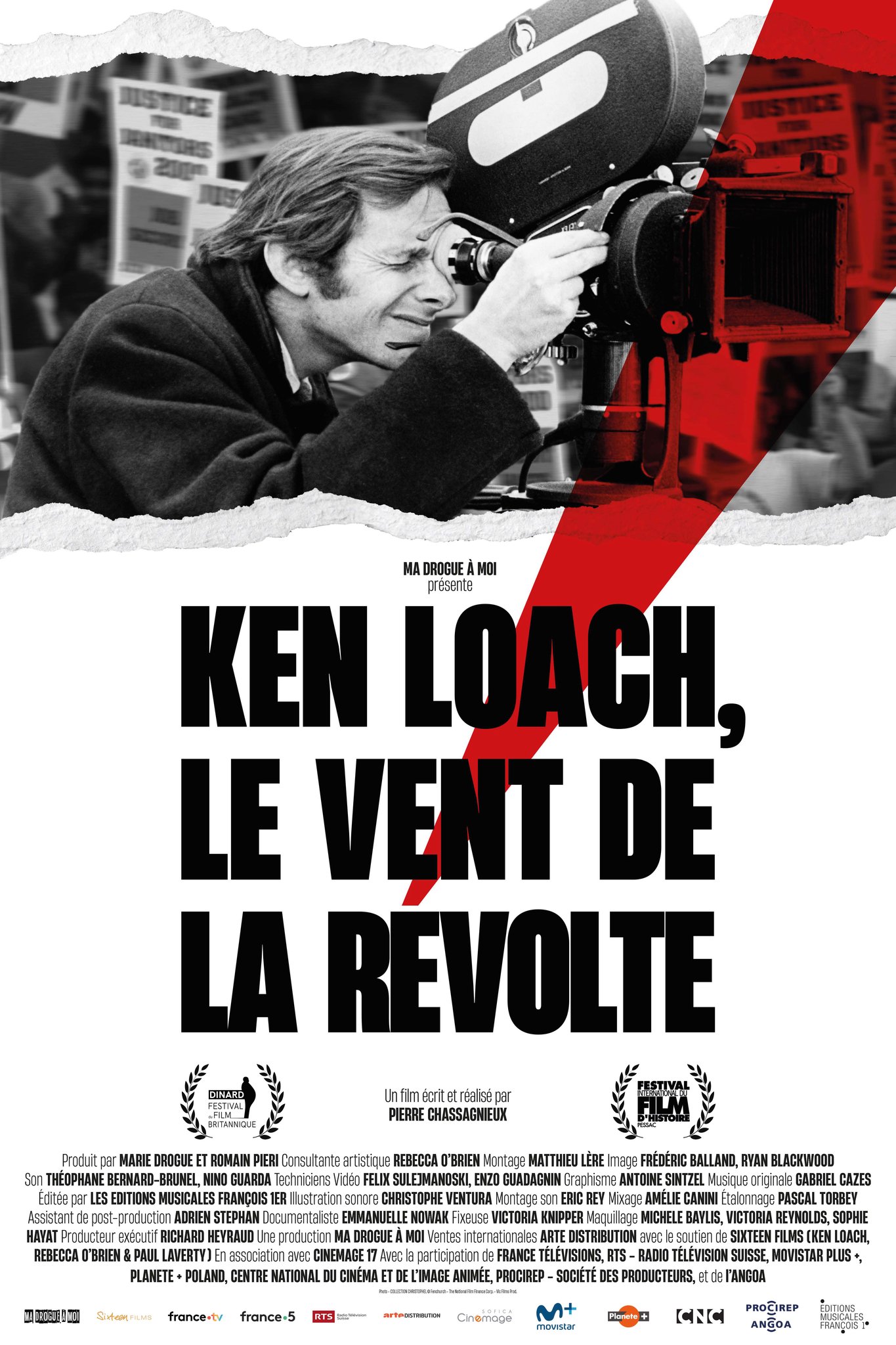
    Cinema, for Ken Loach, is not art but a tool for social evolution. As the most celebrated engaged filmmaker of our era and a rare member of the two-time Palme d’Or club, Loach’s work requires a soundscape that possesses both the weight of history and the urgency of a protest.

    For the documentary Le vent de la révolte, PASSAGE was tasked with deciphering the Ken Loach method through a rebellious yet sophisticated auditory narrative.

    Deciphering the political weapon

    Our approach to this score was rooted in sensory realism. Because the film utilises exclusive access to sixty years of professional and personal archives, the music had to act as the glue between eras. We sought to reinforce the weaponry of Loach’s realism.

    The composition proposes a structural honesty—stripping away unnecessary digital layers to find a raw, acoustic truth that mirrors Loach’s defense of the individual against the crushing weight of neoliberalism. It is a dialogue between the archival past and the political present.

    A duality of grit and humanity

    The Passage for this film was found in the duality of its subject: the anger of the activist versus the tenderness of the humanist. We balanced percussive, rhythmic elements that evoke the friction of social struggle with melodic passages that capture the universal emotion Loach is plébiscité for worldwide.

    The result is a score that moves beyond background accompaniment to become a strategic asset in the film’s narrative. It awakens the spectator’s consciousness with a calibrated crescendo of emotive clarity—ensuring that the Legacy of Ken Loach is heard with the same intensity with which it is seen.


    Credits

    Production: Ma drogue à moi 
    Director : Pierre Chassagneux